
- Detailed analyses of markets from Bangladesh to global spheres via www.bangalinews.in/category/economics
- The Rise of Digital Financial Inclusion in Bangladesh
- The Role of Fintech Startups
- Global Supply Chain Disruptions and Bangladesh’s Garment Industry
- Diversification of Export Markets
- The Impact of Inflation on Consumer Spending
- Government Subsidies and Social Safety Nets
- The Role of Remittances in the Bangladeshi Economy
- Emerging Trends in Renewable Energy Investment
- Navigating Future Economic Challenges with Innovation
Detailed analyses of markets from Bangladesh to global spheres via www.bangalinews.in/category/economics
Navigating the complexities of the economic landscape is a crucial undertaking for businesses, policymakers, and individuals alike. Staying informed about current trends, emerging markets, and potential risks is paramount in today's interconnected world. Resources like www.bangalinews.in/category/economics/ provide detailed analyses of markets, ranging from the specific economic conditions within Bangladesh to broader global spheres of influence. Understanding these dynamics is no longer a luxury but a necessity for informed decision-making.
The global economy is in a constant state of flux, driven by factors such as technological innovation, geopolitical events, and shifting consumer behavior. Bangladesh, with its rapidly developing economy, presents a particularly interesting case study. Its growth trajectory, influenced by its strategic location and a burgeoning manufacturing sector, offers valuable insights into the challenges and opportunities facing emerging economies. Access to reliable and insightful economic reporting is vital for stakeholders seeking to understand the nuances of this dynamic region and its impact on the rest of the world.
The Rise of Digital Financial Inclusion in Bangladesh
Bangladesh has experienced significant growth in digital financial inclusion in recent years, primarily driven by the widespread adoption of mobile financial services (MFS). This has been particularly impactful in rural areas where traditional banking infrastructure is limited. The success of platforms like bKash and Rocket has fundamentally altered the way people access financial services, enabling them to send and receive money, pay bills, and even access credit. The government’s commitment to a cashless society, coupled with increased internet penetration, continues to propel this trend forward. However, challenges remain, including ensuring digital literacy and safeguarding against cyber fraud.
The Role of Fintech Startups
A thriving ecosystem of fintech startups is emerging in Bangladesh, focused on addressing specific gaps in the financial sector. These companies are leveraging technology to offer innovative solutions in areas like micro-lending, agricultural finance, and SME financing. They are playing a crucial role in expanding access to financial services for underserved populations and boosting economic activity. The regulatory environment is evolving to accommodate these new players, with initiatives aimed at fostering innovation while maintaining financial stability. The potential for growth in this sector is immense, attracting both local and international investment.
| Mobile Financial Service | Registered Users (Approx. – 2023) | Transaction Value (Approx. – 2023) |
|---|---|---|
| bKash | 70 Million+ | $18+ Billion |
| Rocket | 40 Million+ | $12+ Billion |
| Nagad | 30 Million+ | $7+ Billion |
The data above demonstrates the substantial adoption rate and transaction volume within the prominent mobile financial service platforms in Bangladesh. These figures highlight the growing reliance on digital financial solutions and their significance in the national economy. Further investment in infrastructure and cybersecurity will be essential to sustain this momentum and mitigate potential risks.
Global Supply Chain Disruptions and Bangladesh’s Garment Industry
The COVID-19 pandemic exposed vulnerabilities in global supply chains, and Bangladesh’s ready-made garment (RMG) industry, a critical component of the nation’s economy, was significantly affected. Disruptions to raw material sourcing, shipping delays, and fluctuating demand led to production challenges and financial losses for many garment factories. The industry’s reliance on a limited number of export markets also amplified its exposure to external shocks. However, the pandemic also spurred a re-evaluation of supply chain strategies, with a growing emphasis on diversification and resilience. Companies are actively exploring nearshoring and reshoring options to reduce their dependence on distant suppliers.
Diversification of Export Markets
Historically, Bangladesh’s RMG sector has been heavily reliant on the European Union and the United States as its primary export destinations. Diversifying into new markets, such as Japan, Canada, and Australia, is crucial for mitigating risks associated with economic downturns or policy changes in these traditional markets. The government is actively pursuing bilateral trade agreements and preferential trade arrangements to facilitate market access for Bangladeshi garments. This requires improving product quality, enhancing compliance with international labor standards, and investing in marketing and branding initiatives to increase the visibility of Bangladeshi brands globally.
- Increased investment in automation and technology upgrades.
- Focus on developing higher-value-added products.
- Strengthening supplier relationships and building resilience.
- Implementing sustainable manufacturing practices.
These strategies represent key areas of focus for the Bangladeshi garment industry as it seeks to navigate the evolving global landscape and maintain its competitiveness. Successfully implementing these measures will be vital for ensuring long-term sustainable growth.
The Impact of Inflation on Consumer Spending
Rising inflation rates are a growing concern globally and Bangladesh is no exception. Increases in the prices of essential commodities, such as food and fuel, are eroding purchasing power and impacting consumer spending patterns. This particularly affects lower-income households who allocate a larger proportion of their income to necessities. The Bangladesh Bank has implemented measures to curb inflation, including raising interest rates and tightening monetary policy. However, these measures can also have a dampening effect on economic growth. The challenge lies in striking a balance between controlling inflation and maintaining a favorable environment for investment and job creation.
Government Subsidies and Social Safety Nets
The government has introduced various subsidies and social safety net programs to cushion the impact of inflation on vulnerable populations. These include targeted food assistance programs, cash transfers, and price controls on essential commodities. However, the effectiveness of these measures is often limited by administrative challenges and the potential for corruption. Improving the efficiency and transparency of these programs is crucial for ensuring that aid reaches those who need it most. Furthermore, investing in skills development and employment creation initiatives can provide long-term solutions to address poverty and reduce vulnerability to economic shocks.
- Strengthen monitoring and evaluation mechanisms for social safety net programs.
- Expand access to financial literacy and entrepreneurship training.
- Promote diversification of agricultural production to enhance food security.
- Invest in infrastructure development to improve connectivity and reduce transportation costs.
These steps can contribute to building a more resilient economy and safeguarding the well-being of citizens in the face of inflationary pressures. A comprehensive and coordinated approach is essential to tackle this multifaceted challenge effectively.
The Role of Remittances in the Bangladeshi Economy
Remittances from Bangladeshi expatriate workers play a vital role in the nation’s economy, serving as a major source of foreign exchange and contributing significantly to household income. These funds are often used for consumption, education, and healthcare, and also contribute to investment in small businesses. The government has implemented various measures to incentivize remittances, including easing regulations and providing tax exemptions. However, the cost of sending remittances through formal channels remains relatively high, which encourages many workers to use informal channels, such as hundi, which pose risks to financial stability. Improving the efficiency and accessibility of formal remittance channels is crucial for maximizing their economic impact.
Emerging Trends in Renewable Energy Investment
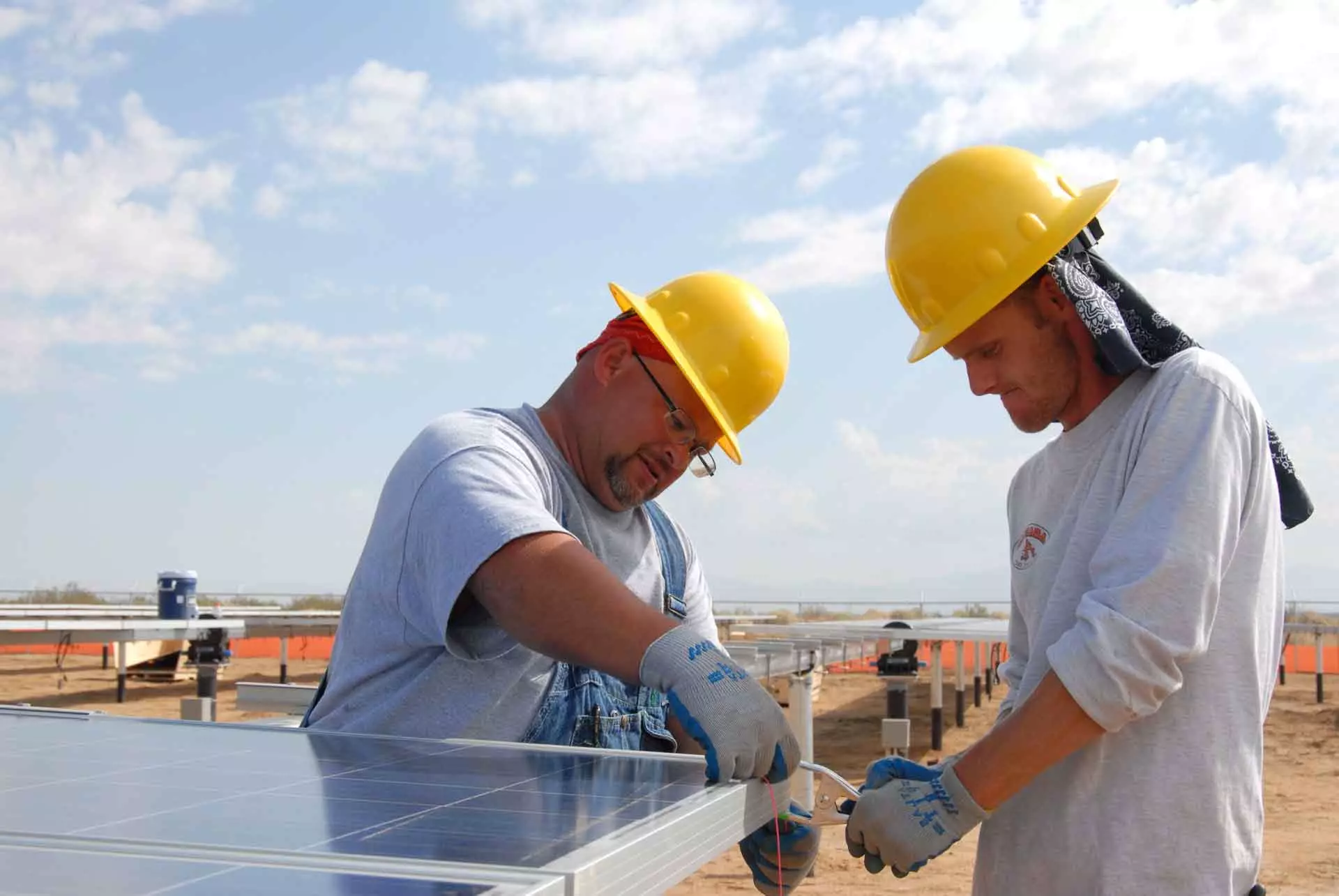
Bangladesh is increasingly focused on diversifying its energy mix and reducing its reliance on fossil fuels. Renewable energy sources, such as solar, wind, and hydro, are gaining prominence as viable alternatives. The government has set ambitious targets for renewable energy generation and is offering incentives to attract private investment in the sector. Solar home systems have been particularly successful in rural areas, providing access to electricity for households that are not connected to the national grid. However, challenges remain, including the high upfront cost of renewable energy technologies and the need for grid infrastructure upgrades to accommodate intermittent energy sources.
Navigating Future Economic Challenges with Innovation
Bangladesh’s economic trajectory will be shaped by its ability to embrace innovation and adapt to evolving global trends. Investing in research and development, fostering a culture of entrepreneurship, and promoting digital transformation are essential for sustained growth. Furthermore, strengthening regional cooperation and engaging actively in international trade will be crucial for expanding market access and attracting foreign investment. The country's demographic dividend – a large young population – presents a significant opportunity if properly harnessed through education and skills development. Investing in human capital will unlock the potential for a more productive and competitive workforce.
Developing a strong regulatory framework that encourages responsible innovation while protecting consumers and ensuring financial stability will be paramount. Continuous monitoring of global economic developments and proactive policy adjustments will be essential for mitigating risks and capitalizing on emerging opportunities. Ultimately, Bangladesh’s sustained economic success will depend on its ability to navigate these challenges with agility, foresight, and a commitment to inclusive and sustainable development.